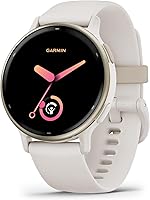
Garmin Forerunner 165 vs vivoactive 5: Which Is Better? (October 2026)
For the Garmin Forerunner 165 vs vivoactive 5 decision, choose the Forerunner 165 for structured running and adaptive workout suggestions. Choose the vivoactive 5 for varied exercise, sleep coaching and downloaded music.
On this page (10 sections)
- Garmin Forerunner 165 vs vivoactive 5: which fits your routine?
- Which watch gives you better running guidance?
- Which is better for sleep and everyday health?
- How do size, controls and battery affect daily use?
- Can you listen to music without your phone?
- What do both watches do with a phone?
- How should you set up and care for either watch?
- What common buying mistakes should you avoid?
- When is the Forerunner 265 worth considering?
- Garmin Forerunner 165 vs vivoactive 5: your final decision
For Garmin Forerunner 165 vs vivoactive 5, choose the Forerunner 165 for structured running and the vivoactive 5 for mixed exercise, sleep coaching and music. The deciding factor is what you want help with each week: planning runs or balancing a broader fitness routine.
A new runner preparing for an event has different needs from someone who walks, lifts weights and runs occasionally. Buy for that routine, rather than choosing whichever watch has the longer feature list.
Both work with compatible Android phones and iPhones. For options beyond this pair, start with our guide to the best Garmin watches.


Garmin Forerunner 165 vs vivoactive 5: which fits your routine?
Choose the Forerunner 165 when running is your main goal; choose the vivoactive 5 when running shares the week with other activities. Both can record exercise, but their most useful guidance serves different needs.
The Forerunner includes 25+ activity profiles, such as running, cycling, HIIT and strength. The vivoactive offers more than 30 indoor and GPS sports apps, including walking, running, cycling, HIIT, swimming and golf.
Count only the activities you expect to use. Five extra options won't improve your routine if you always run, while a broader mix matters when your preferred exercise changes through the week.
Forerunner 165 vs vivoactive 5 for a first race
The Forerunner 165 is the better fit if you want help deciding what run to do next. Its daily suggested workouts adapt to performance and recovery, while Garmin Coach and race adaptive plans support specific goals.
That guidance is useful when you tend to repeat the same run or make every session hard. A suggested plan gives each workout a purpose and helps you think beyond today's pace.
The vivoactive 5 also offers Garmin Coach, so entering a race doesn't automatically rule it out. Choose the Forerunner when ongoing running guidance is the feature you expect to check most.
Choose the vivoactive 5 for a mixed week
The vivoactive 5 suits someone who moves between gym sessions, walks, occasional runs and other sports. Preloaded cardio, yoga, strength, HIIT and Pilates workouts give you options, and you can create workouts in Garmin Connect.
Its wheelchair mode tracks pushes rather than steps and includes push and handcycle activities, preloaded workouts and wheelchair-specific challenges. That is a concrete reason to choose it when those tools match how you move.
Which watch gives you better running guidance?
The Forerunner 165 provides the more focused running toolkit, combining workout suggestions with feedback about what each session achieved. The vivoactive 5 suits runners who want support alongside other exercise, rather than running as the center of their watch use.
Built-in GPS on the Forerunner tracks pace and distance, while wrist-based heart rate adds context to effort. Training effect labels explain a workout's main benefit, helping you distinguish a purposeful session from simply adding more miles.
Recovery time estimates the wait before your next high-effort workout. Read that as guidance about another demanding session, rather than an instruction to avoid all movement until the timer ends.
The vivoactive offers workout benefit and recovery time too. Those features support a varied schedule, but the Forerunner's adaptive daily suggestions are the stronger reason to choose it for a running plan.
Use a plan you can fit around work, family and rest. A watch can suggest a session, but it can't know every demand on your day, and you shouldn't squeeze in a hard run simply to follow a prompt.
Our Garmin running watch guide compares choices for different training needs. The Garmin Forerunner 165 review takes a closer look at this running-focused option.
Which is better for sleep and everyday health?
The vivoactive 5 is the better choice for reviewing sleep and daily energy patterns. Its sleep score, personalized sleep coaching and automatic nap detection give rest a larger role in the watch's guidance.
Body Battery uses sleep, naps, stress and workouts to estimate energy levels. Use it to notice patterns, such as whether late nights tend to leave you feeling less ready for activity, rather than chasing a perfect number.
Other tools include stress tracking, fitness age, meditation, and menstrual cycle and pregnancy tracking. These suit someone who wants a regular overview of daily habits alongside exercise records.
The Forerunner 165's morning report combines sleep, recovery, training outlook, weather and HRV status. It suits a runner who mainly wants to review rest before deciding how to approach the day's workout.
Garmin's health and fitness metrics are estimates. Look for trends across several days, and speak with a health professional about ongoing sleep problems or health concerns.
Avoid changing your whole schedule after one unusual sleep score. First consider how you feel and what happened that night, since a single reading offers less context than a consistent pattern.
How do size, controls and battery affect daily use?
Choose a watch you can wear comfortably through both exercise and sleep. A useful feature set won't help much if the case or strap makes you leave the watch on your desk.
The Forerunner 165 has a lightweight 43 mm design with an AMOLED touchscreen and traditional buttons. Buttons provide a physical way to control the watch during activity, so learn the start, stop and lap controls before your first planned run.
The vivoactive 5 has a 42 mm case and an AMOLED display. That small difference in case size doesn't prove which will feel better, so consider how the case sits across your wrist and whether you can bend your wrist freely.
Garmin rates both for up to 11 days in smartwatch mode. The Forerunner has a separate rating of up to 19 hours in GPS mode, while the vivoactive is rated for up to 5 days with its display always on.
These figures describe different use patterns, so don't compare a GPS figure directly with an always-on display figure. Choose your display settings first, then watch battery use during a normal week to plan charging.
Charge before a long outing rather than leaving with a nearly empty battery. Our guide to how long smartwatch batteries last explains why your routine matters more than a headline maximum.
Can you listen to music without your phone?
The vivoactive 5 is the clear choice here for downloaded music with wireless headphones. You can download playlists from Spotify, Amazon Music or Deezer accounts and listen without carrying your phone.
Set up your chosen service, download the audio and pair your headphones before leaving home. Check the service's account requirements so you know what access you need.
Before an outing, confirm that a downloaded track plays with your phone left behind. That simple check helps prevent confusing phone playback with music stored on the watch.
Phone-free listening doesn't make every watch feature phone-free. Keep that distinction in mind if you're also counting on notifications or phone-connected safety tools during the same outing.
What do both watches do with a phone?
Both watches show smart notifications from a paired compatible smartphone. The Forerunner can display calls and texts, while the vivoactive supports texts, emails and other smart notifications.
Decide which alerts deserve space on your wrist during setup. Keeping only useful notifications makes it easier to notice a message you care about without interrupting every walk or workout.
The Forerunner's incident detection, during select outdoor activities, and Assistance can send your live location to emergency contacts. They require setup and a compatible smartphone in an area with network coverage and data connectivity.
Add emergency contacts before relying on those features, and understand their requirements before heading out. They support your safety plan, but don't replace carrying a suitable way to seek help.
Both watches include Garmin Pay. Check support for your country, bank and payment network before treating the watch as a way to leave your wallet at home.
Our guide explains how Garmin watches work with iPhone. For the difference between independent watch functions and connected features, see whether smartwatches need a phone.
How should you set up and care for either watch?
Start with pairing, a comfortable fit and the activities you'll actually use. Add extra tools once the basics are familiar, rather than changing every setting on the first day.
Pair the watch through Garmin Connect and review your profile information. Keep details accurate so the watch's guidance starts with the right information about you.
Choose a few activity profiles and learn how to start, pause and save a session. Before recording an outdoor GPS activity, allow the watch to establish its location so the record can begin properly.
For a running plan, choose an event or goal that matches your current schedule. Don't select an ambitious target just because a plan is available; consistency matters more than filling every day with exercise.
Wear the watch snugly enough that it stays in place without digging into your skin. Keep the sensor area clean, and adjust the strap if it slides around during movement.
After sweaty exercise, clean and dry the watch and band according to Garmin's care instructions. Let your skin dry too, and avoid leaving sweat trapped under a tightly fastened strap.
Make sure the charging contacts are clean and dry before connecting the cable. A short, regular charging window is easier to remember than waiting for the watch to run low during an activity.
If you're still choosing which features deserve attention, our guide to what to look for in a smartwatch helps turn a long feature list into practical priorities.
What common buying mistakes should you avoid?
Avoid choosing by sports count, case size or a single battery number alone. Those details help narrow the choice, but the better watch is the one whose guidance you'll use.
Don't assume the vivoactive is unsuitable for runners because the Forerunner has a running focus. Someone who runs casually and values music or sleep coaching may get more from the vivoactive.
Don't buy the Forerunner only because you hope owning a running watch will create a routine. Choose it when you're ready to follow a realistic schedule and use the workout feedback.
Don't treat recovery time, HRV status or energy estimates as orders. Read them alongside your recent activity and how you feel, rather than forcing effort because one metric looks favorable.
Skip both if your only goal is a simple daily activity record and you won't use plans, sports apps or detailed health views. Our guide to smartwatches versus fitness trackers can help you decide how much watch you need.
When is the Forerunner 265 worth considering?
Consider the Forerunner 265 when you need more training detail or multisport profiles. It is an alternative for a specific need, rather than an automatic upgrade for everyone comparing the main pair.
Training readiness draws on sleep quality, recovery, training load and HRV status. Training status adds context about overall effort, while its race widget supports suggestions based on the race and course you enter in Garmin Connect.
It also offers multi-band GNSS with SatIQ and activity profiles that include triathlons and open-water swimming. Those are stronger reasons to choose it than wanting extra metrics without a plan to use them.
The 46 mm case is larger than either main option. Garmin rates it for up to 13 days in smartwatch mode and up to 20 hours in GPS mode.
Skip this alternative if your main needs are casual exercise records or a manageable running plan. More information adds value only when it helps you make a useful training decision.
Garmin Forerunner 165 vs vivoactive 5: your final decision
Choose the Forerunner 165 if you want your watch to help shape your running week. Choose the vivoactive 5 if you want support across exercise, rest and everyday habits, especially when downloaded music matters.
Before ordering, write down the 3 features you expect to use each week. If adaptive running suggestions and workout feedback lead your list, choose the Forerunner; if sleep coaching, varied activities and music lead it, choose the vivoactive.
For the broader health-and-fitness choice, read our Garmin vivoactive 5 42mm review. That is the useful next step if you're leaning toward it but want to check how its features fit your day.
Frequently asked questions
Is the Forerunner 165 or vivoactive 5 better for running?
The Forerunner 165 is the better choice when running drives your weekly routine. Its daily suggested workouts adapt to performance and recovery, while race adaptive plans and training effect labels support structured goals; the vivoactive 5 still suits casual runners and offers Garmin Coach, workout benefit and recovery time.
Do both Garmin watches have the same battery life?
Garmin rates both for up to 11 days in smartwatch mode, but other usage modes have separate figures. The vivoactive 5 is rated for up to 5 days with its display always on; the Forerunner 165 is rated for up to 19 hours in GPS mode, so compare matching usage patterns.
Can the vivoactive 5 store music?
Yes, the vivoactive 5 supports downloaded music for phone-free listening with wireless headphones. You can download playlists from Spotify, Amazon Music or Deezer accounts; set up downloads and pair your headphones before leaving home, and check any account requirements for the music service you plan to use.
Can you use either watch with an iPhone?
Yes, both watches support iPhone pairing and smart notifications; that pairing doesn't make every feature independent of your phone: the Forerunner 165's Assistance and incident detection require setup, a compatible smartphone and network coverage with data connectivity. Our guide to using a Garmin watch with an iPhone explains pairing expectations.
What is the difference between the vivoactive 5 and Forerunner 265?
Choose the vivoactive 5 for sleep coaching, nap detection, Body Battery insights and varied everyday exercise. The Forerunner 265 adds a more detailed training focus through training readiness, training status, a race widget and multi-band GNSS with SatIQ; its 46 mm case is also larger than the vivoactive 5's case.