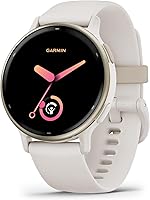
Garmin Forerunner 165 Review: Worth It? (October 2026)
Our Garmin Forerunner 165 review recommends it for runners who want guided workouts and recovery advice without needing the 265's deeper training tools. Choose the vivoactive 5 for mixed fitness routines or the Forerunner 55 for core run tracking.
On this page (9 sections)
- Garmin Forerunner 165 review: what makes it worth choosing?
- How do the running tools help you plan a week?
- Is the Forerunner 165 comfortable and easy to use?
- How should you set up the Forerunner 165?
- How long does the battery last between runs?
- What everyday features and limits matter?
- Which Garmin alternative fits your routine better?
- How do you care for the watch and avoid common mistakes?
- Garmin Forerunner 165 review verdict: which should you buy?
The Garmin Forerunner 165 is a good fit for runners who want guidance between runs, with adaptive workouts, event plans and recovery information. This Garmin Forerunner 165 review explains when those tools are useful and when another Garmin makes more sense.
Its strongest reason to buy is the link between recording a run and planning the next one. You can track your effort, see its training benefit and use that information to shape your week.
Choose based on the decisions you want help making. More metrics only add value when they change how you train.
Garmin Forerunner 165 review: what makes it worth choosing?
The Forerunner 165 earns its place through running guidance you can use regularly, rather than a long list of unrelated features. It suits someone moving from recording occasional runs toward following a steady routine or preparing for an event.
Garmin Forerunner 165: Best for building running habits

- 43 mm size
- AMOLED touchscreen and buttons
- Up to 11 days in smartwatch mode
- Built-in GPS
A running-focused choice for people who want help deciding what session to do next. Adaptive workouts, event plans and recovery information support a regular training routine.
Pros
- Built-in GPS for pace and distance
- Daily suggested workouts adapt to performance and recovery
- Garmin Coach and race adaptive plans
- Touchscreen and physical button controls
Cons
- Choose the 265 for training readiness and training status
- Long GPS activities need a charging plan
- Safety features need setup, a paired phone and data coverage
The watch includes built-in GPS for pace and distance and a wrist-based heart-rate sensor. Its 43 mm case has an AMOLED touchscreen and traditional buttons, giving you a choice of controls.
The useful distinction is between knowing what happened and knowing what to do next. A run log covers the first task; suggested workouts, training effect and recovery time help with the second.
Our score reflects how well its running tools, controls and battery estimates fit that buyer. The alternatives below suit different priorities, even when they offer more features.
Garmin Forerunner 165 review: who should buy it or skip it?
Buy it if you want structure without managing every workout yourself. It fits a new runner working toward an event or a regular runner who wants suggestions that respond to recent effort.
You don't need to be fast to benefit. The important question is whether you'll use guidance to keep easy days easy, space out harder sessions and build consistency.
Skip it if sleep habits, gym workouts and general activity matter more than running plans. Also look elsewhere if you specifically need training readiness, triathlon profiles or the 265's positioning tools.
How do the running tools help you plan a week?
The Forerunner 165 helps with session choice, workout purpose and recovery spacing. Those are separate jobs, so understanding each tool is more useful than watching every number.
Daily suggested workouts adapt to performance and recovery. They suit runners who want a recommendation for the next session rather than writing an entire schedule from scratch.
Garmin Coach and race adaptive training plans add event-focused guidance. Start with a realistic event goal and choose a clear plan to follow, rather than switching direction whenever a different workout looks appealing.
Training effect and its labels explain the main fitness benefit of a workout. Use that context to see whether your week contains a sensible mix of efforts instead of judging every run by speed.
Recovery time estimates how long to wait before another high-effort workout. Read it as guidance about the next hard session, rather than a command to stay still until a timer ends.
The morning report gathers sleep tracking, recovery information, training outlook and weather. It gives you a convenient place to review your recent routine and the day's workout suggestion.
A common mistake is turning each suggested session into a challenge to beat. Follow the intended workout format, and fit suggestions around your schedule rather than treating every session as a requirement.
The best Garmin watches for running guide compares models for runners who want different levels of training detail.
Is the Forerunner 165 comfortable and easy to use?
The lightweight design and choice of touch or button controls make the 165 worth considering for both running and daily wear. Fit still depends on your wrist, especially if you plan to wear it while sleeping.
Its silicone band is 20 mm wide. Compare the case and band dimensions with a watch you already find comfortable, and consider how it will sit under sleeves.
Case width alone doesn't tell you whether a watch fits. Check that it sits securely without pressing into your wrist when you bend your hand.
For comfortable daily wear, aim for a secure fit that doesn't pinch or slide around. Follow Garmin's fit guidance, and adjust the band as needed outside workouts.
Learn the start, pause, resume and save controls before your first planned session. Knowing those steps avoids interrupting an interval workout to search through menus.
For a wider look at watches for daily use, start with our smartwatch guide.
How should you set up the Forerunner 165?
Set up pairing, your training goal and essential alerts before relying on the watch for a scheduled run. A short, easy first outing gives you room to learn the controls.
- Pair with Garmin Connect. Check your profile details and units so distances and pace make sense to you.
- Choose a realistic goal. Decide whether you want general workout suggestions or a plan tied to an event.
- Learn the run screens. Identify where to find time, distance and pace before adding more detail to your routine.
- Review phone permissions. Allow the connections needed for the notifications you actually want.
- Set up emergency contacts. Complete the safety setup before expecting those features to help.
Before starting a GPS activity, wait for the watch to establish its position. Starting the recording while it is still finding a signal can make the opening part of a route less useful.
Keep the first recorded run simple: start it, pause briefly, resume and save. Check the result in Garmin Connect so you understand the full process before race day.
If you're deciding how much phone support you need, our guide to whether smartwatches need a phone explains the broader distinction between recording activities and connected features.
How long does the battery last between runs?
Garmin states up to 11 days in smartwatch mode and up to 19 hours in GPS mode for the Forerunner 165. Treat these as different usage estimates, rather than expecting the smartwatch figure during frequent GPS recording.
For normal training, the useful habit is checking charge before your longest session. Don't wait for a low-battery warning when you have an early start the next morning.
For an extended event, plan around expected recording time and leave a margin. A maximum claim isn't a target to reach with the battery nearly empty.
The Forerunner 265's stated limits are up to 13 days in smartwatch mode and 20 hours in GPS mode. Its modest GPS-duration increase is a weaker reason to choose it than its extra training and positioning features.
The vivoactive 5 reaches up to 11 days in smartwatch mode, or up to 5 days with the display always on. That trade-off matters if you want the screen visible throughout the day.
For help matching battery claims to your routine, read how long a smartwatch battery lasts.
What everyday features and limits matter?
The Forerunner 165 offers phone notifications, Garmin Pay and Garmin Connect support alongside its running tools. These are useful additions, but you should check their requirements before depending on them.
Call and text alerts come from a paired Android or Apple smartphone. If constant wrist alerts distract you, keep only the ones you want during the day.
Garmin Pay requires a supported country and payment network. Confirm support for your payment setup before treating the watch as a way to leave cards behind.
Incident detection during select outdoor activities and Assistance can message emergency contacts with your live location. They require prior setup, a compatible paired phone and network coverage with data connectivity.
Built-in GPS doesn't provide independent emergency messaging. For a run where you want those connected safety features, bring the paired phone and consider coverage along your route.
Garmin Connect also lets you review fitness information, connect with friends and join challenges. For phone-specific guidance, see whether a Garmin watch works with an iPhone.
Which Garmin alternative fits your routine better?
Choose an alternative when its main strength solves a need the 165 doesn't address. Decide by your weekly activities and the information you'll use, rather than counting features.
| Watch | Choose it for | Main reason to skip it |
|---|---|---|
| Garmin Forerunner 165 | Guided running and event preparation | You need deeper training analysis or different sport profiles |
| Garmin vivoactive 5 42mm | Mixed exercise, sleep habits and music | Running plans are your main priority |
| Garmin Forerunner 265 46mm | Training readiness, race planning and endurance sports | You won't use the extra metrics |
| Garmin Forerunner 55 | Core run tracking and structured race plans | Display readability or broader activity choice matters more |
For a closer comparison, see our guide to the Forerunner 165 and vivoactive 5. Our Garmin running-watch guide can help if training metrics matter more than keeping the watch compact.
Choose the vivoactive 5 for a mixed fitness week
The vivoactive 5 makes sense when running shares your week with walking, strength sessions and other activities. It has more than 30 indoor and GPS sports apps, compared with the 165's 25+ activity profiles.
Sleep coaching and nap detection put more attention on sleep tracking. These features let you review recorded sleep and naps alongside your daily activities.
It also supports music downloads from Spotify, Amazon Music or Deezer accounts for listening with wireless headphones. Wheelchair mode tracks pushes and includes dedicated activities and workouts.
Skip it if your main reason for buying is the 165's race adaptive plans and training effect tools. Read our Garmin vivoactive 5 review if its mixed fitness focus sounds closer to your routine.
Choose the Forerunner 265 when extra training detail has a job
The 265 adds training readiness and training status. These suit runners who want to consider sleep, recovery, training load and recent effort when deciding how hard to train.
Multi-band GNSS with SatIQ is another reason to consider it for positioning in challenging surroundings. Its activity profiles also include triathlons and open-water swimming.
Skip it if you mainly need a run log and a manageable plan. Its larger 46 mm case also deserves a careful fit check before you choose the extra features.
Choose the Forerunner 55 for core running guidance
The Forerunner 55 records time, distance, speed and pace. Daily suggestions and free plans for 5 km, 10 km and half-marathon events give it a clear role for runners who want structure.
PacePro, Finish Time and Recovery Time add effort-management tools. You can build a running routine without choosing a watch primarily for its screen.
Its 1.04 in display deserves attention if you struggle to read small numbers while moving. Skip it if its 17 activity profiles don't cover the variety you want.
How do you care for the watch and avoid common mistakes?
Keep the watch clean, dry before charging and comfortable to wear. A simple care routine helps prevent sweat and residue from building up around the band and charging contacts.
Follow Garmin's cleaning instructions after sweaty sessions. Dry the watch and your skin before fastening it again, and avoid trapping moisture under a tight band.
Check the charging contacts before connecting the cable. Don't scrape them with sharp objects or use harsh cleaners.
Avoid changing your whole training week because of one poor night or one unusual metric. Look for patterns, and keep your goals realistic when work, travel or recovery changes your available time.
The biggest buying mistake is paying for information you won't use. Our guide to what to look for in a smartwatch can help you separate daily needs from occasional extras.
Garmin Forerunner 165 review verdict: which should you buy?
Choose the Forerunner 165 if running guidance is the missing piece in your routine. It connects session planning, workout benefit and recovery without requiring you to choose the 265's deeper training tools.
Choose the vivoactive 5 when mixed exercise and sleep habits lead your decision. Move to the 265 for training readiness, its positioning tools or endurance sport profiles, and choose the 55 when core run tracking and plans are enough.
Before ordering, name the feature you expect to use each week and check the fit. If you're still choosing between different Garmin roles, browse our best Garmin watches guide.
Frequently asked questions
Is the Garmin Forerunner 165 good for beginners?
Yes, the Forerunner 165 suits beginners who want help building a running routine. Daily suggested workouts adapt to performance and recovery, while Garmin Coach and race adaptive plans provide event-focused guidance.
Start with a manageable goal, and use the advice to support gradual progress rather than chasing every suggested effort.
How long does the Garmin Forerunner 165 battery last?
Garmin states up to 11 days in smartwatch mode and up to 19 hours in GPS mode. Those figures describe different uses, so a week with recorded runs won't match smartwatch-only use.
Build a charging routine around your workouts, and leave a battery margin before a long recorded activity.
Can you use the Garmin Forerunner 165 without a phone?
Yes, built-in GPS lets the Forerunner 165 record pace and distance without borrowing your phone's GPS. Call and text notifications require a compatible paired phone.
Incident detection and Assistance also need prior setup, the paired phone and network coverage with data connectivity, so those features aren't independent emergency communication.
What is the difference between the Forerunner 165 and 265?
The Forerunner 265 adds training readiness, training status and multi-band GNSS with SatIQ, plus profiles for triathlons and open-water swimming. Choose it if those tools address your training needs.
The smaller Forerunner 165 already covers adaptive running suggestions, event plans, training effect and recovery time for a regular running routine.